


Cosmetic-grade ethanol
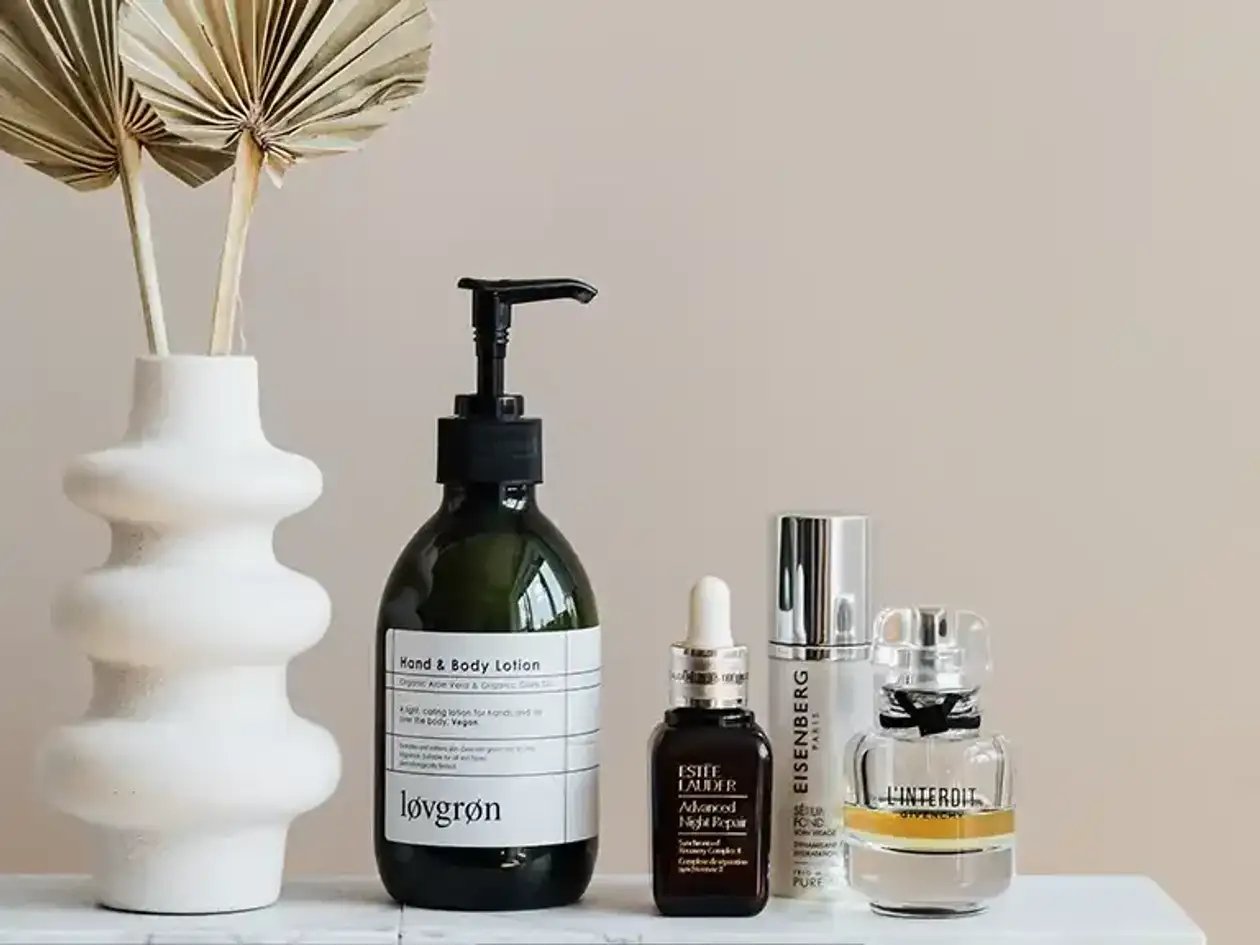
Nedstar is a leading supplier of cosmetic-grade ethanol to the cosmetics industry. We understand the vital role alcohol content plays in the formulation and effectiveness of skincare products. Cosmetic alcohols are an integral part of a broad and diverse range of products—from toners and lotions to perfumes—due to their function as solvents, preservatives and astringents.
We can design a cosmetic-grade ethanol product tailored to your specific requirements, using any combination from a wide range of denaturants, including DEP, MEK, Bitrex, TSDA 1–9, TBA, IPA, and Euro Denatured.
What is ethanol for cosmetics?
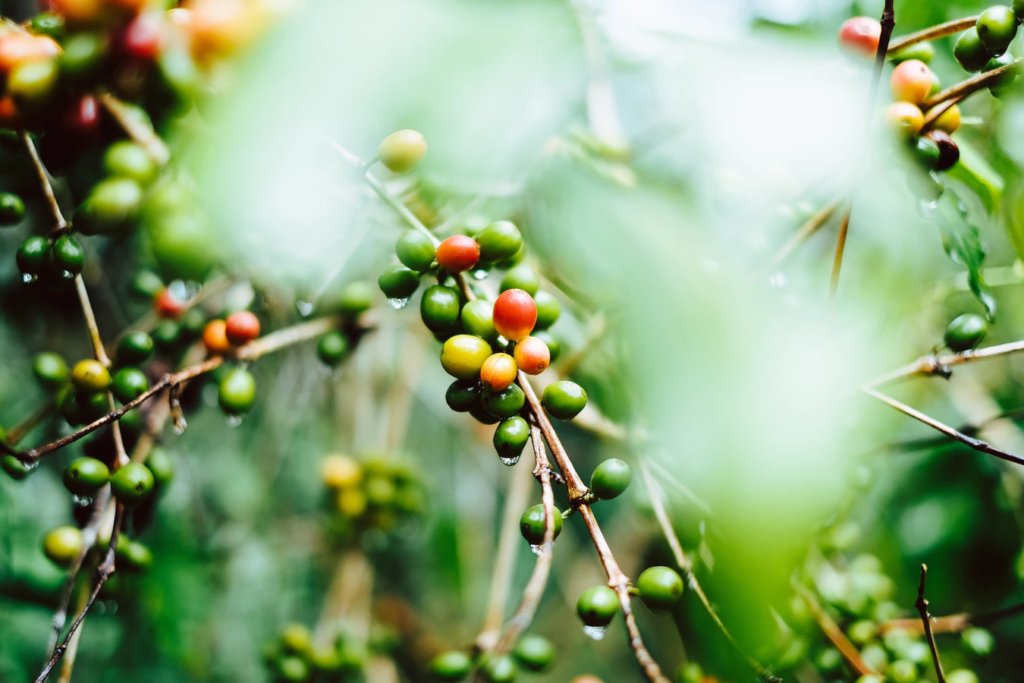
Ethanol, or ethyl alcohol, used in cosmetics is a denatured alcohol obtained by fermenting sugar starch from a wide variety of raw materials including sugar beet, sugar cane, wheat, grain, rye and corn, or by synthesis. It serves as an effective solvent, helps other ingredients penetrate the skin better, and dries quickly due to its high volatility.
This makes it ideal for non-greasy lotions and hand sanitisers. Ethanol's safety is well-documented and approved by health authorities worldwide, ensuring its safe use in cosmetic products. Its versatility and efficacy make it an essential component in many beauty formulations.
Applications of ethanol in cosmetics
Skincare
Alcohol is used in skincare products such as toners, astringents, and cleansers. It helps remove excess oil, provides a refreshing sensation, and is beneficial for certain skin types, especially those prone to acne.
Makeup
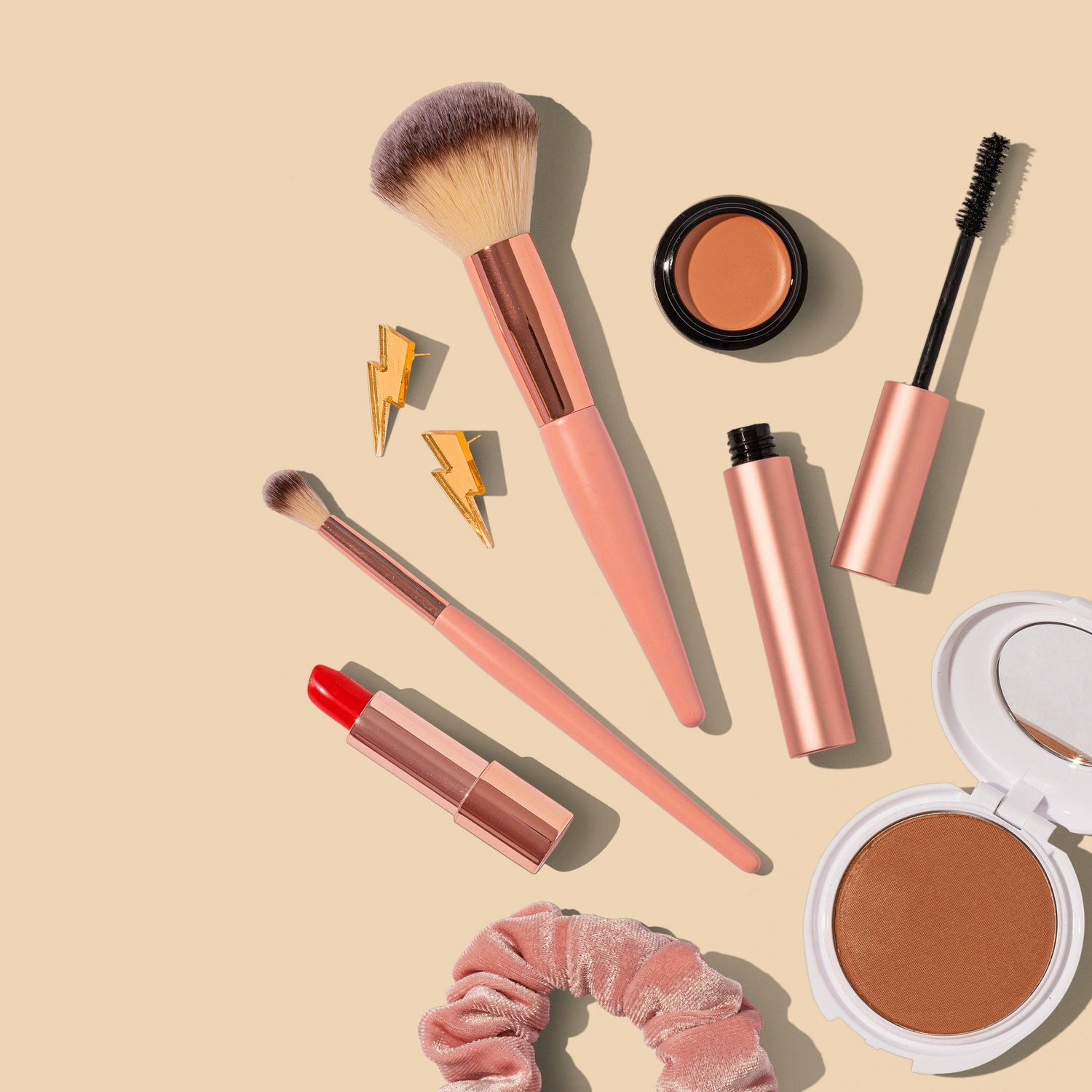
In makeup products like foundations, setting sprays, and eyeliners, alcohol ensures smooth application and quick drying, helping makeup stay in place longer.
Hair care
Alcohols in hair care products, such as shampoos, conditioners, and styling sprays, enhance product texture and prolong shelf life, ensuring your hair feels clean and styled perfectly.
Fragrance
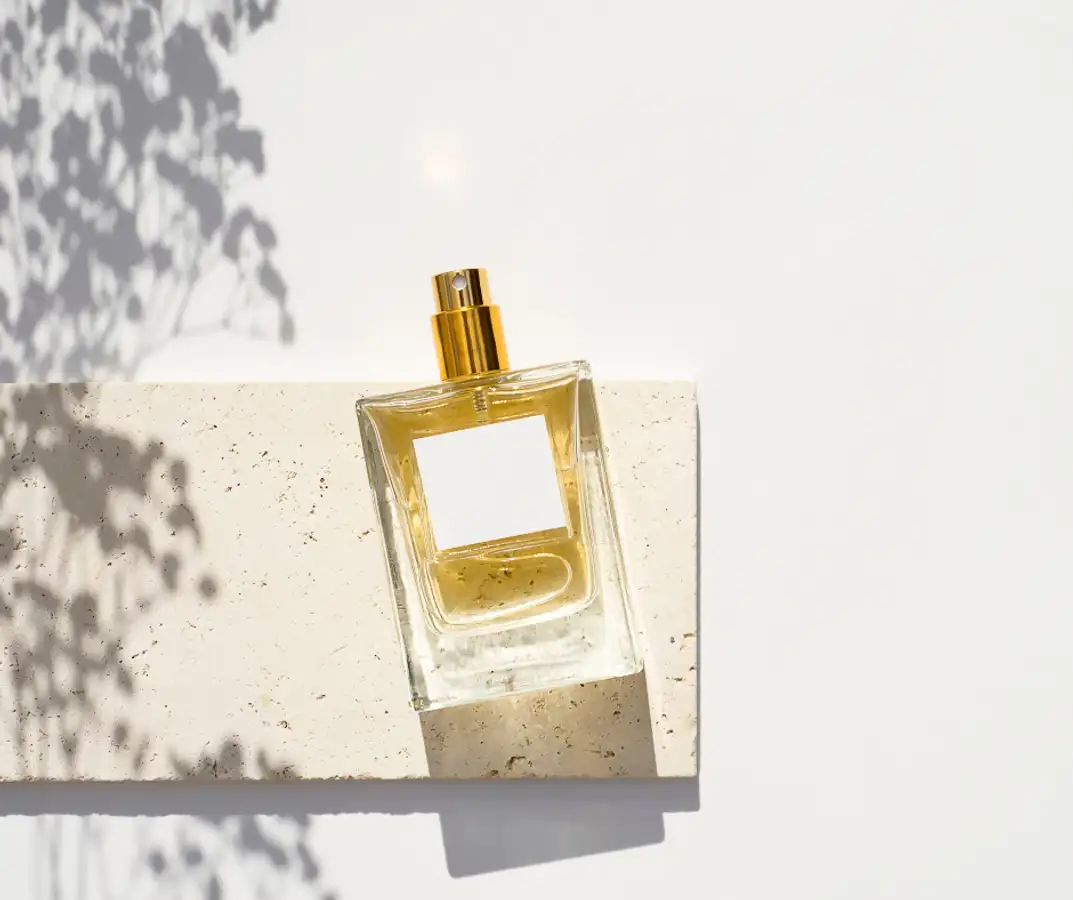
Alcohol is a key component in perfumes and colognes, acting as a solvent that helps the fragrance disperse evenly.
Hygiene
In hygiene products like hand sanitisers and antibacterial wipes, alcohol is highly effective in killing germs and bacteria, promoting hand hygiene.
When and why use ethanol in cosmetics and beauty products?
Ethanol enables your superficial skin to absorb a product’s active ingredients quicker, which is great for perfumes and colognes. But it also evaporates fast (also known as having ‘high volatility’), which means the ethanol is in contact with your skin relatively briefly. This minimises the chance of skin irritation, making ethanol ideal for use in everything from make-up and moisturiser to hair colour and sunscreen.
In addition, ethanol is a highly efficient hydrolysing agent, helping dissolve other ingredients in a product; but also a natural preservative, a refreshing agent, a sun filter and a solubilizer of active ingredients.
And finally, ethanol is a natural product that can be used by manufacturers in organic products, which are increasingly in demand with today’s consumer. This is one reason why leading cosmetics brands and manufacturers tend to avoid the use of synthetic alcohol.
Is ethanol safe in cosmetics?
There are common concerns about the safety of ethanol in cosmetics and skincare products. However, the scientific consensus supports ethanol's safety in these applications. Regulatory bodies such as the FDA and the European Commission have approved its use in cosmetics, based on studies that confirm its safety when used in appropriate concentrations.
When used within regulatory guidelines, ethanol's antimicrobial properties and ability to enhance product penetration make it a beneficial ingredient for various skin types and products. Ethanol concentration is carefully controlled to ensure safety and efficacy, providing benefits without significant risks.
Certifications & quality control
For cosmetic grade ethanol
Ethanol plays a vital role in the food and beverage industry as a high-quality alcohol-based flavouring carrier. Whether used in beverages, cooking, or baking, it enhances and preserves food flavours, ensuring rich and authentic taste experiences.
At Nedstar, we supply food-grade flavouring ethanol, including extra neutral alcohol 96% and organic ethyl alcohol, to meet the highest industry standards.
Nedstar packaging options
Exporting ethanol to countries worldwide from over 75 international suppliers requires the appropriate packaging. To make sure that your product arrives safely to its destination, Nedstar has a number of packaging options, suitable for any industry or amount of ethanol.
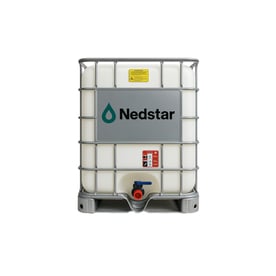
IBC tote

Mid-sized shipments; our stackable IBC totes are widely used by companies across Europe, the US, and Asia for their efficiency and reliability.
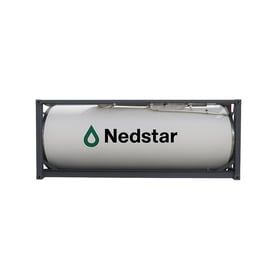
ISO container

Our ISO tanks support intermodal transport by sea, rail, and road. They are ideal for companies sourcing in medium to large volumes.
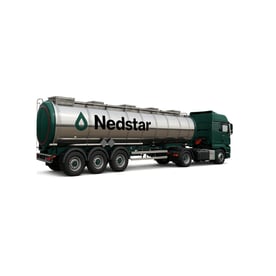
Tanktruck

Our tank trucks are widely used across Europe to deliver bulk ethanol by road. They’re a practical option for regional transport and quick distribution.
Frequently Asked Questions
What alcohol is used in perfumes?
The most commonly used alcohols are ethanol, denatured alcohol, and isopropyl alcohol. These types of alcohol are highly valued in the fragrance industry for their ability to dissolve and evenly disperse fragrance oils, ensuring that the scent is pure and long-lasting. Our cosmetic-grade alcohol is designed to meet these high standards, providing a perfect base for creating top-quality perfumes.
Is ethanol safe for use in cosmetics applications?
Yes. Ethanol is widely recognised as safe for use in cosmetics when formulated and used correctly. It serves multiple purposes in cosmetic products, such as acting as a preservative, solvent, and antibacterial agent, helping to stabilise formulas and improve product texture. Regulatory bodies like the EU and FDA approve its use within specified concentrations, and it’s generally well tolerated by the skin. However, because ethanol can have a drying effect, cosmetic chemists often balance it with moisturising ingredients to ensure the final product remains gentle and suitable for regular use.
Can I get a sample?
Yes. We do offer samples of our ethanol products so you can test the quality and compatibility with your applications. Contact us to learn more about our sampling processing.
Where do you source your ethanol?
We have reliable suppliers in over 75 countries worldwide. We prioritise sustainability and quality, responsibly sourcing raw materials that meet the highest standards. Our main origin markets include South America, Africa, and the Middle East.